
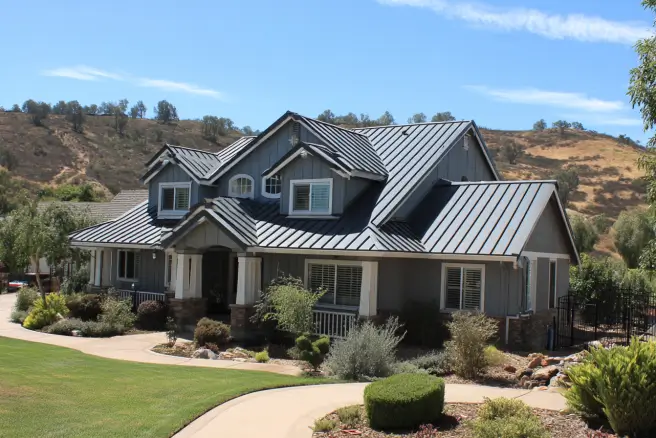
Metal roofing is an increasingly popular option for both residential and commercial properties. With its durability, energy efficiency, and modern aesthetic appeal, it’s no surprise that property owners are considering metal roofs as a long-term solution. This guide will cover key factors to help you determine whether metal roofing is the right choice for your building and how to choose the best option for your needs.
Why Choose Metal Roofing?
The decision to install a metal roof comes with several advantages, including:
– Durability
– Energy Efficiency: Reflective coatings on metal roofs can reduce heat absorption, lowering cooling costs during hot months.
– Low Maintenance: Unlike traditional roofing materials such as asphalt shingles, metal roofs require minimal upkeep over their lifespan.
Key Factors When Choosing Metal Roofing
- Material Types
Metal roofing is available in various materials including aluminum, steel, copper, and zinc. - Aluminum: Lightweight and resistant to corrosion; ideal for coastal areas.
- Steel: Durable and cost-effective; often coated with zinc or paint for added protection.
- Copper: Known for its aesthetics and longevity; develops a patina over time that protects the material from corrosion.
- Zinc: Eco-friendly with a self-healing property when scratched; great for sustainability-focused projects.
- Roofing Style
There are different types of metal roofing systems designed to fit various architectural styles: - Standing Seam: Sleek and modern with hidden fasteners; widely used in commercial buildings but suitable for contemporary homes as well.
- Metal Shingles: Mimics traditional shingles while offering enhanced durability.
- Corrugated Panels: Budget-friendly choice often used in industrial settings or barns.
- Climate Compatibility
Depending on where you live, some metal roofing options may perform better than others.
Another aspect that makes metal roofing appealing is its sustainability: – Made from recyclable materials (often 25%-95% recycled content).
– Fully recyclable at the end of its life cycle. – Reduces energy use by reflecting solar radiation—helping reduce urban heat islands in warmer climates.
In short choosing
Durability and Longevity: Why Choose a Metal Roofing Company San Diego for Your Roof Upgrade
Gen819 Roofing San Diego
428 Thorn St
San Diego, CA 92103
+16194831917
One of the primary reasons property owners choose metal roofing is its unmatched durability and longevity. Unlike traditional roofing materials such as asphalt shingles or wood, metal roofs are designed to withstand the elements for decades with minimal maintenance. This longevity makes them a cost-effective and environmentally friendly choice over time. Below, we delve into the factors that contribute to their impressive performance.
Resistant to Weather Extremes
- Rain and Snow: The smooth surface of metal allows rain and snow to slide off easily, preventing water pooling or ice dam formation.
- Hail Impact Resistance: Many metal roof systems come with Class 4 impact resistance ratings, reducing damage caused by hailstorms.
- Fire Resistance: Most metal roofing is non-combustible and comes with a Class A fire rating, offering peace of mind against fire hazards.
Long Lifespan
While traditional roofing materials like asphalt shingles may last 15–20 years under ideal conditions, a properly installed metal roof can last 40–70 years or more. Some types of metals, such as copper or zinc, have been known to endure well over a century. This longevity makes metal an excellent investment for both residential and commercial properties.
| Roofing Material | Average Lifespan | Maintenance Needs |
| Asphalt Shingles | 15–20 years | Moderate (frequent repairs) |
| Wood Shingles/Shakes | 20–30 years | High (prone to rot/splitting) |
| Metal Roofing | 40–70+ years | Low (minimal upkeep required) |
Corrosion Resistance
Modern innovations in coatings and finishes ensure that metal roofs resist corrosion effectively, even in environments exposed to salt air or high humidity. Popular coatings include galvanized steel with zinc layers or aluminum-zinc alloys that protect against rust over time. Additionally, painted finishes offer an extra layer of protection while adding aesthetic appeal.
Low Maintenance Requirements
- Regular inspections (once or twice annually) to remove debris.
- Cleaning gutters and downspouts to ensure proper drainage.
- Checking fasteners or panels for signs of wear—repairs are typically minor.
With proper care, these minimal efforts can maximize the life expectancy of your roof without requiring frequent costly interventions.
Ideal for Sustainable Building Practices
The durability of metal roofs also contributes positively toward sustainability. Their long lifespan reduces waste sent to landfills from frequent replacements.
- They are often made from recycled materials.
- At the end of their service life, they can be fully recycled again into new products.
This makes them a smart choice for those looking to lower their environmental footprint while ensuring lasting protection for their property.
A combination of advanced engineering techniques and naturally durable material properties ensures that metal roofing systems stand out as one of the most reliable options available today. Whether you’re considering replacing an aging roof on your home or investing in long-term protection for your business facility, the durability and lifespan offered by metal make it an exceptional choice worth considering.
Durability and Longevity: Why a Standing Seam Metal Roof San Diego Homeowners Love Stands the Test of Time
When considering a roofing solution, durability and longevity are two critical factors. Metal roofing excels in both areas, making it one of the most reliable choices for residential and commercial buildings. This section will explore why metal roofing is a long-lasting option and how it compares to other materials.
| Roofing Material | Average Lifespan |
| Asphalt Shingles | 15–20 years |
| Wood Shingles | 20–25 years |
| Clay or Concrete Tiles | 40–50 years |
| Metal Roofing (e.g., Steel, Aluminum, Copper) | 50+ years |
Metal roofs can endure decades with minimal maintenance, with some premium options lasting up to 70 years or more under optimal conditions.
Resistance to Weather Conditions
One of the reasons metal roofs stand the test of time is their ability to resist harsh weather conditions.
- Wind Resistance: Metal roofs can withstand wind speeds up to 140 mph or higher when properly installed.
- Corrosion Resistance: Coated metals like galvanized steel or aluminum offer excellent protection against rust and corrosion.
- Moisture Protection: Unlike other materials that may absorb water, metal panels shed water effectively, reducing risks associated with leaks or rot.
- Hail Durability: Many metal roof systems are impact-resistant and less prone to damage from hail compared to asphalt or wood shingles.
Fire Resistance and Safety
This makes them suitable for areas prone to wildfires or where safety is paramount.
Maintenance Requirements
Compared to other roofing systems, metal roofs demand less frequent maintenance.
- Inspect for loose fasteners or damaged panels periodically.
- Clear debris like leaves or branches that might accumulate on the roof surface.
- Reapply protective coatings every couple of decades (for certain finishes).
This low-maintenance requirement enhances its appeal as a cost-effective investment over time.
Sustainability Factors
Another aspect contributing to the durability of metal roofing is its sustainability.
In summary, a well-installed metal roofing system offers unmatched durability and longevity due to its robust design, resistance to environmental factors, low maintenance demands, and eco-friendly characteristics. These qualities make it an excellent choice for property owners seeking long-term value without frequent replacements or repairs.
Comprehensive Guide to Metal Roof Installation San Diego: Styles and Systems Explained
Metal roofing systems are versatile, offering a range of styles, materials, and profiles to suit various architectural needs. Whether you’re designing a modern home or restoring a commercial building, there’s likely a metal roofing option that meets your aesthetic preferences, performance requirements, and budget.
- Known for their clean, modern appearance.
- Provide excellent weather resistance due to interlocking seams.
- Mimic the look of traditional materials like slate, wood shake, or clay tiles.
- Lighter yet more durable than their counterparts.
- Often coated with protective finishes for added longevity.
- Feature repetitive ridges that enhance strength and rigidity.
- Suitable for both residential and industrial applications.
- Cost-effective compared to some other metal roofing options.
- Combines the durability of metal with the aesthetic appeal of stone coatings.
- Available in multiple colors and textures to match diverse architectural styles.
- Excellent for Mediterranean-style homes or buildings desiring a timeless look.
Material Options in Metal Roofing
| Material | Description | Key Benefits |
| Aluminum | Lightweight and corrosion-resistant; ideal for coastal areas where salt exposure is high. | Excellent weatherproofing |
| Steel | Strong and durable; available in galvanized or galvalume varieties for added protection. | High strength at affordable cost |
| Copper | Offers unmatched aesthetic appeal; develops an elegant green patina over time when exposed. | Longevity & unique aging process |
| Zinc | Naturally resistant to corrosion; eco-friendly due to recyclability and minimal maintenance. | Sustainable & durable |
Factors to Consider When Choosing a System
- Climate Suitability: Some materials perform better in specific climates (e. g. , aluminum resists corrosion in humid environments).
- Budget Constraints: While premium options like copper are attractive, they may not align with all budgets.
- Aesthetic Goals: Decide whether you prefer sleek modern designs (e. g. , standing seam) or traditional looks (e. g. , stone-coated tiles).
- Ease of Installation: Certain systems require more specialized installation techniques that could impact labor costs.
- Longevity Requirements: Evaluate how long you expect the roof system to last based on your building’s purpose and future plans.
Standing seam metal roofs have become increasingly popular due to their sleek design, durability, and exceptional performance. Their unique construction not only provides a modern aesthetic but also ensures long-lasting protection against various weather conditions.
These seams are often 1 to 2 inches tall and serve as the primary connection point for each panel. The design minimizes water infiltration, enhances structural integrity, and creates a clean, contemporary appearance.
- Continuous Panels: Long panels that run from the roof’s ridge to its edge offer superior water-shedding capabilities.
- Durable Materials: Typically made from aluminum, steel, copper, or zinc for enhanced durability.
- The design is highly effective at shedding rainwater or snow.
- Raised seams prevent water from pooling and penetrating into the structure.
- With proper maintenance, these roofs can last 40–70 years.
- Resistant to rust, corrosion, and UV degradation when coated with protective finishes.
- Metal reflects sunlight rather than absorbing it, which can reduce cooling costs in warmer climates.
- Many systems support additional insulation layers underneath for improved thermal efficiency.
- The sleek lines provide a contemporary look that complements modern architectural styles while maintaining versatility for more traditional designs.
| Profile Type | Description | Best Use Cases |
| Snap-Lock Panels | Panels snap together without needing mechanical seaming tools. | Residential buildings |
| Mechanical Lock Panels | Seams are mechanically crimped together for enhanced strength against extreme weather conditions. | Commercial or high-wind areas |
| Batten Panel Systems | Features wider seams with decorative caps that add visual depth to the roof design. | Historical restorations or custom designs |
Considerations Before Choosing Standing Seam Roofing
- Initial Cost: These systems tend to have higher upfront costs compared to other roofing options like asphalt shingles.
- Installation Expertise: Proper installation requires specialized knowledge and tools; hiring experienced professionals is essential.
- Noise Levels: During heavy rain or hailstorms, noise may be more noticeable compared to other materials unless soundproofing enhancements are included.
Is It Worth Investing in Standing Seam Metal Roofing?
For homeowners and business owners seeking longevity, energy efficiency, and modern aesthetics in their roofing choice, standing seam systems often prove worth the investment despite their higher initial cost. Their combination of functionality and style makes them an increasingly popular option in today’s market.
When evaluating roofing options, cost is often one of the most critical factors homeowners and business owners consider. While metal roofing may have a higher upfront cost than some traditional materials, it offers long-term value that can make it a smart financial investment over time. Below, we’ll break down the cost differences and highlight important considerations.
Upfront Costs: Metal Roofing vs.
- Metal Roofing:
The initial installation cost of metal roofing typically ranges from $8 to $16 per square foot, depending on the type of metal (such as aluminum, steel, or copper) and the complexity of the installation. Higher-end metals like copper tend to push costs toward the upper range. - Asphalt Shingles:
Asphalt shingles are among the most affordable roofing options with an average cost of $4 to $7 per square foot installed. However, this price does not account for higher maintenance needs or shorter lifespan. - Wood Shingles/Shakes:
Wood shingles typically cost $6 to $9 per square foot but require regular maintenance and are prone to issues such as rot or insect damage. - Clay or Concrete Tiles:
These traditional options are priced at around $10 to $15 per square foot installed but are heavier than metal roofs and may require additional structural support.
| Roofing Material | Cost Per Square Foot (Installed) | Lifespan (Years) |
| Metal Roofing | $8–$16 | 40–70+ |
| Asphalt Shingles | $4–$7 | 15–30 |
| Wood Shingles/Shakes | $6–$9 | 20–30 |
| Clay/Concrete Tiles | $10–$15 | 50+ |
Long-Term Value
One significant advantage of metal roofing is its longevity. While traditional materials like asphalt shingles need replacement every 15–30 years on average, a well-maintained metal roof can last between 40 and 70 years or more. This durability means fewer replacements over time, which can save money in the long run.
Maintenance Costs
Metal roofs generally require less maintenance compared to traditional materials. They are resistant to issues such as rot, warping, cracking, and pests that commonly affect wood or asphalt shingles.
- Metal roofs shed snow easily due to their smooth surfaces.
- They are non-combustible and can withstand extreme weather conditions.
- Their coatings often include corrosion-resistant layers that enhance durability.
In contrast, asphalt and wood shingles often incur higher maintenance expenses because they may need repairs for leaks or damage from environmental exposure.
Energy Efficiency Savings
Another consideration when comparing costs is energy efficiency. Metal roofs reflect solar heat better than many traditional materials, potentially reducing cooling costs by up to 25%. Over time, these energy savings can offset some of the higher initial investment in a metal roof.
Resale Value
A home or building with a metal roof may have a higher resale value due to its modern aesthetic appeal and low-maintenance requirements. Buyers often appreciate knowing they won’t need significant roof-related repairs in the near future.
Final Thoughts on Cost Comparison
While upfront costs for metal roofing may be higher than other materials like asphalt shingles or wood shakes, its extended lifespan, lower maintenance needs, energy efficiency benefits, and added resale value make it a worthwhile option for many property owners seeking both durability and long-term savings.
Is San Diego roofing with metal the right choice for your building?
Determining whether metal roofing is the ideal choice for your building involves evaluating several key factors. Metal roofs offer unique benefits, but they may not be suitable for all situations. By carefully considering your needs, budget, and location, you can decide if metal roofing aligns with your requirements.
Factors to Consider When Choosing Metal Roofing
- Climate and Weather Conditions
Metal roofs excel in areas with extreme weather conditions: - Highly resistant to heavy snow due to their smooth surface, allowing snow to slide off easily.
- Withstand high winds (up to 140 mph or more) when properly installed.
- Offer excellent performance under intense sunlight due to reflective coatings that reduce heat absorption. However, in regions prone to hailstorms, it’s essential to choose thicker metal panels or coatings designed for impact resistance.
- Aesthetics and Design Preferences
Modern metal roofing systems are available in a wide range of styles, colors, and finishes: - Mimic traditional materials like shingles, slate, or tile.
- Offer sleek and contemporary designs such as standing seam panels. If maintaining architectural harmony with surrounding buildings is critical, metal roofing provides ample versatility.
- Building Usage
The purpose of the building can influence your decision: - Residential buildings:Homeowners often choose metal roofs for their durability and energy efficiency.
- Commercial properties:Businesses value metal roofs for their low maintenance needs and long lifespan. For historic buildings or structures with strict visual guidelines, you may need materials that align with those specific standards.
- Budgetary Considerations
While the upfront cost of metal roofing is typically higher than traditional materials like asphalt shingles or wood shakes, it offers long-term savings through: - Energy efficiency: Reflective coatings reduce cooling costs during warm months.
- Reduced maintenance: Metal roofs require fewer repairs over time compared to other materials.
- Longevity: Many systems last 40–70 years or more.
- Environmental Impact
If sustainability is important to you:- They contribute less waste to landfills compared to short-lived roof types like asphalt shingles.
Advantages vs.
| Advantages | Limitations |
| Longevity (40–70+ years) | Higher initial cost |
| Energy efficiency | Can be noisier without proper insulation |
| Low maintenance | Installation requires skilled labor |
| Fire-resistant | May dent under severe impact unless thick material is used |
| Lightweight structure | Not ideal for extremely flat roof pitches |
Final Thoughts
Metal roofing can be an excellent investment when durability, energy efficiency, and low maintenance align with your needs. Ensure that you consult an experienced contractor who understands local climate challenges and building codes before making a decision. By thoroughly analyzing these factors alongside your budgetary priorities and aesthetic goals, you’ll gain clarity on whether metal roofing is the right fit for your building project.
- San Diego Metal Roofing: A Complete Guide to Choosing the Right Solution
- Top Seam Designs Offered by a Metal Roofing Company San Diego
- Benefits of Choosing San Diego Metal Roofing and Standing Seam Options
- Benefits and Drawbacks of San Diego Metal Roofing to Consider
- Comprehensive Guide to Choosing the Best Metal Roofing Company San Diego
- Benefits of San Diego Metal Roofing and Why It’s a Popular Choice
- Understanding the Advantages and Disadvantages of San Diego Metal Roofing